

Conversion rate optimization, usually called CRO, is the process of improving your website performance so more visitors take the action you want, aligning closely with every stage of the customer journey. That action might be a purchase, a signup, or even a click to another page.
- CRO is not about chasing more traffic.
- It is about getting more value from the traffic you already have through conversion rate optimization.
Many brands spend time and money on ads, SEO, and content but forget to improve what happens after the visitor arrives. When CRO is done well, focusing on user experience, the same traffic can produce more revenue, more leads, and better long-term growth. This is why CRO sits at the center of modern eCommerce and digital marketing strategies.
What is conversion rate optimization (CRO)?
CRO is a structured way to increase the percentage of users who complete a goal on your site, often through optimizing the sales funnel. A goal can be simple or complex.
- On an eCommerce store, it often means completing a purchase.
- On a blog, it might be joining an email list or clicking a product link.
At its core, CRO is based on testing and learning. You measure how users behave, form a clear hypothesis, and test changes to see what actually improves results. According to HubSpot's Research, the most effective CRO programs focus on user behavior, not opinions or guesses.
CRO also connects closely with paid traffic and content strategy. For example, insights from Google Ads vs Facebook Ads can help you understand visitor intent, which directly affects how you optimize landing pages and CTAs.
How to calculate your conversion rate
Before you improve anything, you need a baseline. The basic conversion rate formula is simple:
![Conversion Rate]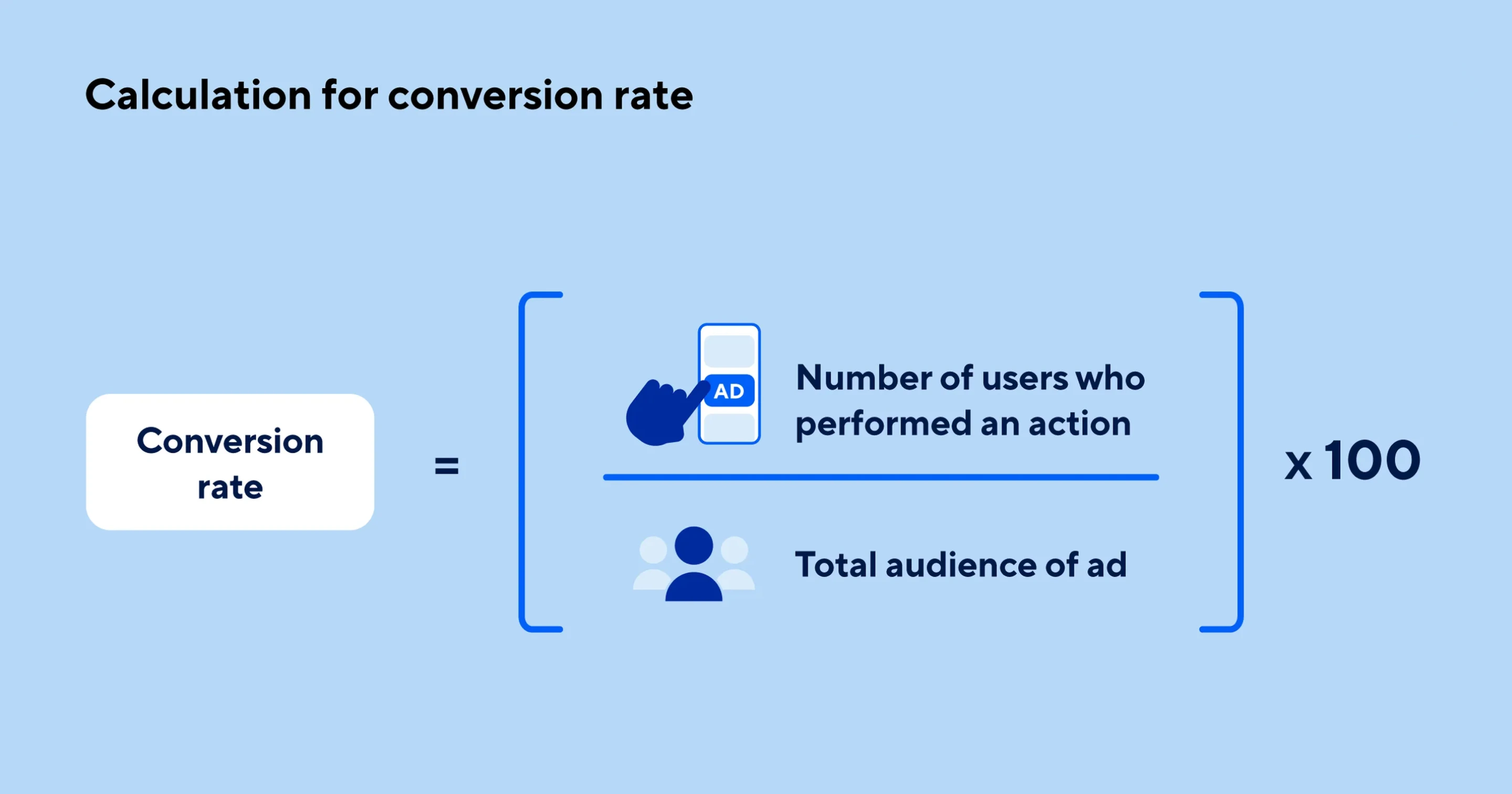
Image Source: Adjust
If 1,000 people visit your store and 40 make a purchase, your conversion rate is 4%. This number alone does not tell the full story, but it gives you a starting point.
It is important to define what a conversion means for each page. A product page conversion is not the same as a blog conversion. Tools like Google Analytics and Shopify Analytics help you track this accurately. Shopify explains common benchmarks in its own research, noting that many eCommerce stores fall between 2.5% and 3% on average, depending on the industry.
Why CRO matters more in 2026
User behavior has changed. People scroll faster, compare more options, and trust brands less than before. This makes optimization essential, not optional. Even small improvements can create a large impact over time.
Research from Portent shows that faster sites and clearer layouts lead to much higher conversion rates. CRO helps you remove friction at every step, from the first click to the checkout process.
For brands investing in content and growth, CRO also supports efforts like Content Marketing for SaaS Startups by turning readers into leads instead of passive visitors.
Where to start with CRO
Not every page deserves equal attention. The best CRO results usually come from focusing on high-impact areas first.
Product pages
Product pages are where buying decisions happen.
- Strong visuals
- clear descriptions
- and trust signals all influence conversions.
![Kit & Ace Example]
High-quality images, short demo videos, and clear benefit-focused copy help users feel confident.
This is also where layout matters. Chris, Admagica’s CRO Specialist AI agent, often highlights issues like cluttered pages, weak CTAs, or missing trust signals. Simple changes such as moving the primary CTA higher, reducing distractions, or clarifying product benefits can significantly improve results.
Blog content
Blogs attract high-intent traffic, especially from search because readers arrive with a clear problem they want to solve. When blog CTAs align with that intent, they can move readers naturally toward the next step in the journey, from learning how to test ideas to identifying what actually performs in real campaigns, such as Finding Winning Ads Without Wasting Time Or Money.
![CTA]
Small changes in CTA placement or wording are often enough to unlock higher engagement, and data shared by Neil Patel shows that even minor adjustments can lead to meaningful lifts in clicks and conversions.
Landing pages
Landing pages are designed for one action. Clear structure, focused messaging, and minimal distractions matter most here. Admagica's AI Chris often recommends testing headline clarity, button language, and offer framing before redesigning an entire page.
![Admagica landing ]
According to Unbounce, landing pages with a single clear goal tend to convert better than pages trying to do too much at once.
Proven CRO strategies that work
CRO is not about tricks. It is about improving user experience with evidence-based changes.
One of the most effective strategies is A/B testing. Testing headlines, layouts, and CTAs helps you understand what your audience actually responds to. As shown in a case study conducted by Search Engine Journal, even small design changes can lead to double-digit conversion lifts.
Another key tactic is social proof, including customer reviews, which can significantly influence buying decisions by providing reassurance and building trust among potential customers.
- Reviews
- testimonials
- and real usage signals reduce doubt.
According to Backlinko, pages with strong social proof elements often see noticeable conversion improvements.
Speed and mobile optimization are also critical. Google’s PageSpeed Insights shows how website performance issues affect real users. Slow load times increase bounce rates and lower conversions, especially on mobile.
CRO tools to support your optimization efforts
The right tools help you understand the customer journey, user behavior, and effectively manage the sales funnel while testing changes efficiently. Below is a simple comparison of commonly used conversion rate optimization tools.
| Tool | Primary Use | Best For |
|---|---|---|
| Admagica AI Agents | CRO recommendations | Improving landing pages: layout, CTAs, offers, and A/B test ideas |
| Google Optimize | A/B testing | Testing page variations and experiments |
| Lucky Orange | Behavior analytics | Identifying friction points and user drop-offs |
| Shopify Analytics | Conversion tracking | Gaining eCommerce performance insights |
| Hotjar | Heatmaps & session recordings | Understanding real user behavior on pages |
Tools alone do not improve conversions. What matters is how you act on the data. This is where structured insights, like those suggested by Chris, help turn analysis into action.
Real CRO examples from growing brands
Real-world results show why CRO works. Shopify has shared multiple case studies where improvements in the checkout process led to major gains. Brands using Shop Pay, for example, often see much higher mobile conversion rates due to faster checkout.
![Shopify Plus example]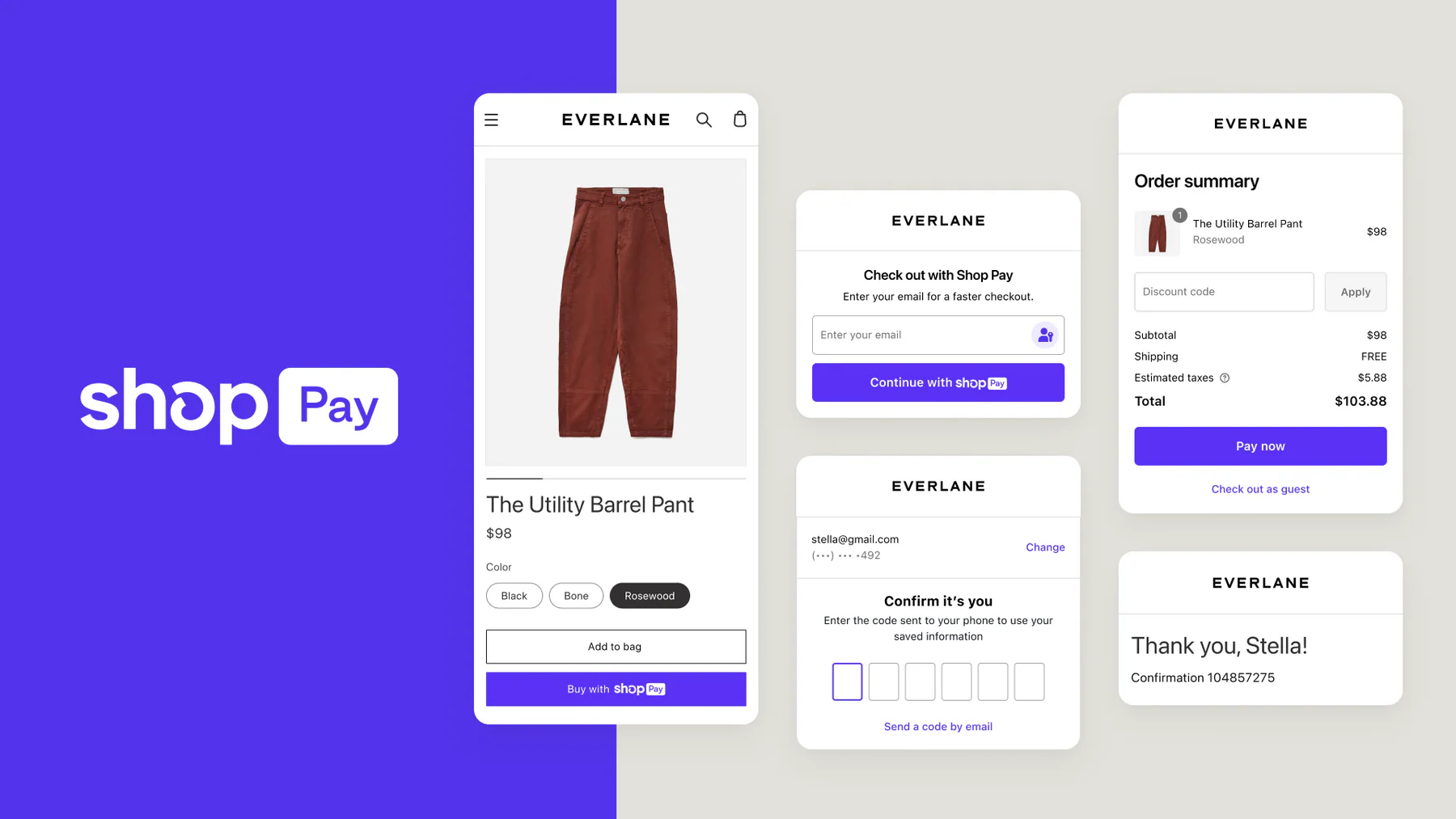
Image From Shopify
In another example, businesses that improved site structure and usability after platform migration saw conversion increases well above 20%. These results support the idea that CRO is not about guessing, but about removing friction at scale.
How CRO and SEO work together
CRO and SEO are closely connected. Search engines reward sites that load fast, work well on mobile, and keep users engaged. Poor user experience hurts both rankings and conversions.
Keyword research still matters, but it should support clarity, not harm it. Pages that are written for real users tend to perform better in search because they keep people engaged and moving forward. This is why many high-performing teams combine SEO fundamentals with broader growth tactics, such as modern eCommerce marketing techniques that actually convert, instead of treating search and conversion as separate efforts.
High-quality content, clear structure, and strong internal linking help both CRO and SEO by keeping users engaged and moving through related ideas naturally. When someone is learning about optimization and ad performance, it makes sense to explore questions around static versus dynamic ads and how different formats perform.
Building a sustainable CRO process
CRO is not a one-time project. It is an ongoing process of testing, learning, and improving. Start with data, test small changes, and scale what works.
Many brands now combine human insight with AI-powered support. Tools like Admagica’s CRO-focused agent help teams spot opportunities faster and suggest practical test ideas without replacing strategic thinking.
If your goal is long-term growth, CRO should be part of every marketing decision, as it helps optimize the experience for your customers. Whether you are
- refining ads
- improving content
- or building offers
conversion optimization ensures your efforts lead to real results.
In a competitive market, the brands that win are not the ones with the most traffic but the ones that make the best use of it.
Common CRO mistakes that quietly kill conversions
Many businesses say they are “doing CRO,” but in practice, they repeat the same mistakes, failing to put their customers at the center of their strategies. These errors do not always look dramatic, yet they slowly drain performance over time.
- One common issue is testing without a clear hypothesis. Changing button colors or headlines without a reason leads to random results. According to CXL, tests without a clear goal often produce misleading data and wasted effort. Every test should start with a simple question, such as why users hesitate or where they drop off.
- Another mistake is copying competitors blindly. What works for a large brand with strong awareness may fail for a smaller store. CRO is context-dependent. Your traffic sources, audience intent, and product price all shape how users behave.
- A third problem is focusing only on desktop performance. Mobile traffic dominates most industries, yet many sites still design and test primarily for desktop users. Google has repeatedly emphasized mobile experience as a ranking and usability factor, highlighting how a poor user experience can negatively impact both conversions and SEO.
How user psychology shapes CRO decisions
CRO is not just technical. It is deeply tied to how people make decisions online. Understanding basic psychology helps explain why certain changes work better than others.
One powerful principle is cognitive load. When users face too many choices or too much text, they delay decisions or leave.
- Simplifying navigation
- reducing form fields
- highlighting one primary action
can dramatically improve conversions. This aligns with findings shared by Nielsen Norman Group, which show that simpler interfaces lead to faster decisions.
Trust is another major factor. Users hesitate when something feels unclear or risky. This is why elements like return policies, delivery details, and security badges often increase conversions more than flashy design changes. Chris, Admagica’s CRO Specialist, frequently flags missing trust signals, such as customer reviews, as a top reason landing pages underperform and fail to resonate with customers.
Urgency and clarity also matter. Clear deadlines, limited availability, or strong value framing help users decide now instead of later. When done honestly, these elements reduce hesitation rather than pressure users unfairly.
CRO across the full funnel
CRO should not focus only on the final click. Each stage of the sales funnel offers opportunities for improvement.
At the awareness stage, CRO means aligning messaging with intent and understanding the customer journey to attract more customers. Traffic from search behaves differently than traffic from paid social. Insights from How to Use Vibe Marketing to Boost Ad Performance show how emotional alignment can improve early engagement and lower bounce rates.
In the consideration stage, CRO focuses on clarity and comparison.
- Product pages
- feature sections
- FAQs
should answer real objections. Tools like heatmaps and session recordings reveal where users pause or scroll back, signaling confusion or doubt.
At the conversion stage, friction removal in the checkout process matters most. Checkout flow, payment options, website performance, and page speed dominate outcomes here. Shopify data consistently shows that faster checkout experiences lead to higher completed orders.
After conversion, CRO still plays a role. Confirmation pages, onboarding emails, and post-purchase content affect repeat purchases and lifetime value.
Advanced CRO strategies for growing teams
As businesses mature, conversion rate optimization evolves from basic testing to structured experimentation.
One advanced approach is segmentation. Not all users behave the same way. Segmenting tests by device, traffic source, or user type often reveals insights hidden in blended data. According to VWO, segmented tests can uncover conversion lifts that general tests miss.
![ABtesting]
Shopify on Ecommerce agency Fuel Made which performed an A/B test on a slide-out cart feature for grooming brand Live Bearded.
Another strategy is prioritization. Instead of testing everything, high-performing teams rank ideas by potential impact, effort, and confidence. Chris often recommends starting with high-traffic pages and simple layout or CTA changes before testing complex redesigns.
Personalization is also becoming more common. Showing different content to new versus returning visitors, or tailoring offers based on behavior, can improve relevance. However, personalization should be tested carefully to avoid overcomplication.
Measuring CRO success beyond conversion rate
Conversion rate is important, but it is not the only metric that matters. A higher conversion rate does not always mean better business results.
For example, aggressive discounts may increase conversions but reduce profit. This is why many teams track supporting metrics such as average order value, revenue per visitor, and retention rate. According to Shopify, sustainable CRO balances short-term gains with long-term value.
Engagement metrics also provide context. Time on page, scroll depth, and return visits help explain why conversions rise or fall. These insights guide smarter testing decisions over time.
CRO in paid advertising and creative testing
CRO does not stop at the website. Ad performance and on-site experience are tightly connected.
When ad messaging matches landing page content, users feel continuity and trust. Mismatched headlines or offers create friction and lower conversions. This is especially relevant when comparing channels, as discussed in Static vs Dynamic Ads.
Creative testing also feeds CRO insights. Ads that generate high click-through rates but low conversions often reveal promise in messaging but weaknesses in landing pages. Chris frequently suggests aligning top-performing ad hooks with page headlines to improve consistency.
Building a CRO culture inside your team
The most successful CRO programs are not driven by tools alone. They are driven by mindset.
Teams that treat CRO as an ongoing process, rather than a project, adapt faster to market changes. Regular reviews, shared dashboards, and clear documentation help build momentum.
Education also matters. When designers, marketers, and developers understand CRO basics, collaboration improves. This cross-functional approach reduces friction and speeds up experimentation.
Final thoughts: CRO as a growth advantage
CRO is not about chasing perfection. It is about steady improvement guided by data, user experience, and real user behavior. In crowded markets, small gains compound quickly.
Brands that invest in CRO gain more than higher conversion rates. They gain clearer messaging, better user experience, and stronger alignment between marketing and product.
As traffic costs rise and attention spans shrink, CRO becomes a competitive advantage. Whether you rely on
- human expertise
- AI-driven insights like Chris
- or a mix of both
the goal remains the same: help users decide with confidence.
When CRO becomes part of how you think, not just what you test, better conversions follow naturally.